
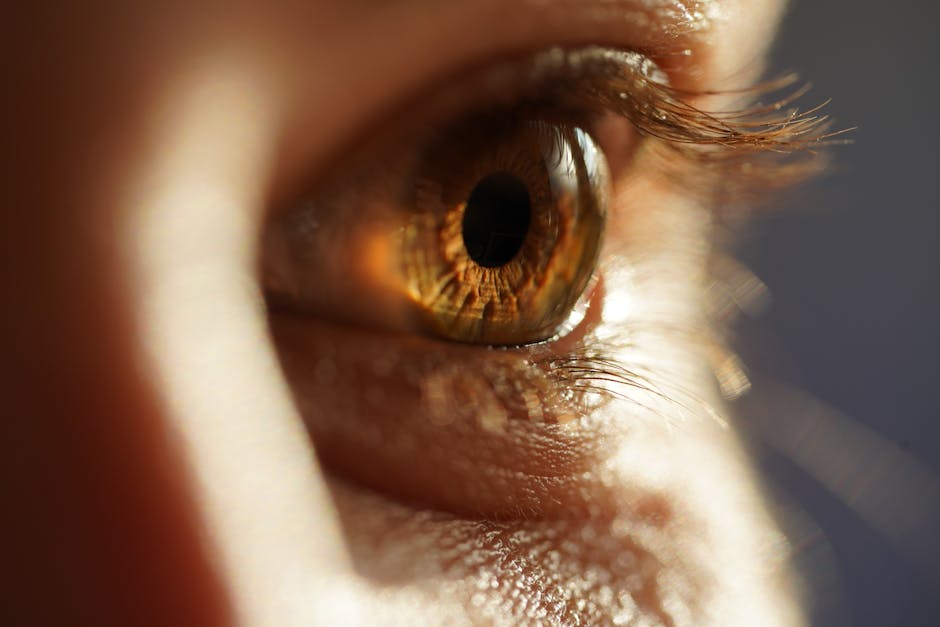
Understanding Eye Color Phenomena: Causes and Interesting Facts
Introduction to Eye Color Phenomena
Eye color is one of the most striking features that make each person unique. While many people know about common eye colors like brown, blue, and green, there are fascinating eye color phenomena that can surprise us. From temporary color changes to permanent genetic traits, these phenomena showcase the complexity of human biology.
How Eye Color Can Change
Some individuals experience eye color shifts due to environmental factors, emotional responses, or health conditions. For example, exposure to bright sunlight can make blue eyes appear more vibrant, whereas certain emotional states might cause subtle color fluctuations. These changes are usually temporary but can be intriguing to observe.
Genetics and Eye Color
The genetic basis of eye color involves multiple genes interacting to produce a wide spectrum of hues. The genetics behind eye color determines whether a person has brown, hazel, green, or blue eyes, and, in some cases, this can lead to heterochromia, where one eye has a different color than the other.
Rare Phenomena and Conditions
Some rare eye color phenomena include conditions like iris depigmentation or progressive eye color change, where the eyes gradually shift color over years. These phenomena can be linked to health issues or be entirely benign. Understanding these variations can help in recognizing normal versus abnormal changes in eye appearance.
Conclusion
Eye color phenomena are a captivating aspect of human biology. Whether it's a temporary change due to lighting or a genetic trait that results in a rare eye color, these features remind us of the beauty and complexity of human diversity. To learn more about this intriguing subject, visit our detailed articles on eye color phenomena and discover the science behind these stunning variations.