
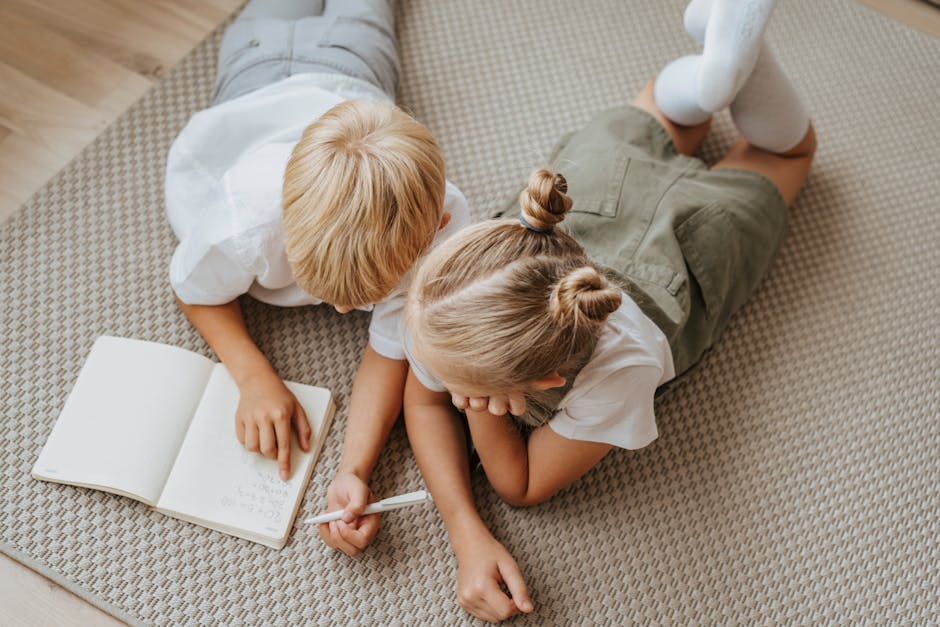
Engaging Group Activities and Role Playing Exercises for Collaborative Learning
Enhancing Learning with Group Activities
Group activities play a vital role in promoting collaborative learning by encouraging students to work together, share ideas, and solve problems collectively. These activities foster interpersonal skills and create an engaging classroom atmosphere.
One effective method is to incorporate brainstorming sessions where students contribute diverse perspectives, leading to richer understanding and creativity. Additionally, problem-solving projects challenge learners to apply knowledge collaboratively, reinforcing learning outcomes.
Role Playing Exercises for Educational Purposes
Another powerful tool for interactive learning is role playing. By simulating real-world scenarios, students develop critical thinking, empathy, and communication skills. These exercises can be tailored to various subjects, from history reenactments to business negotiations.
For example, student role plays in historical event interpretation help learners understand complex contexts better. Similarly, negotiation simulations prepare students for professional interactions and improve their strategic thinking.
Conclusion
Incorporating group activities and role playing exercises in the curriculum enriches the learning experience, promotes teamwork, and builds essential life skills. Educators are encouraged to utilize these engaging techniques to foster a dynamic and collaborative classroom environment.