
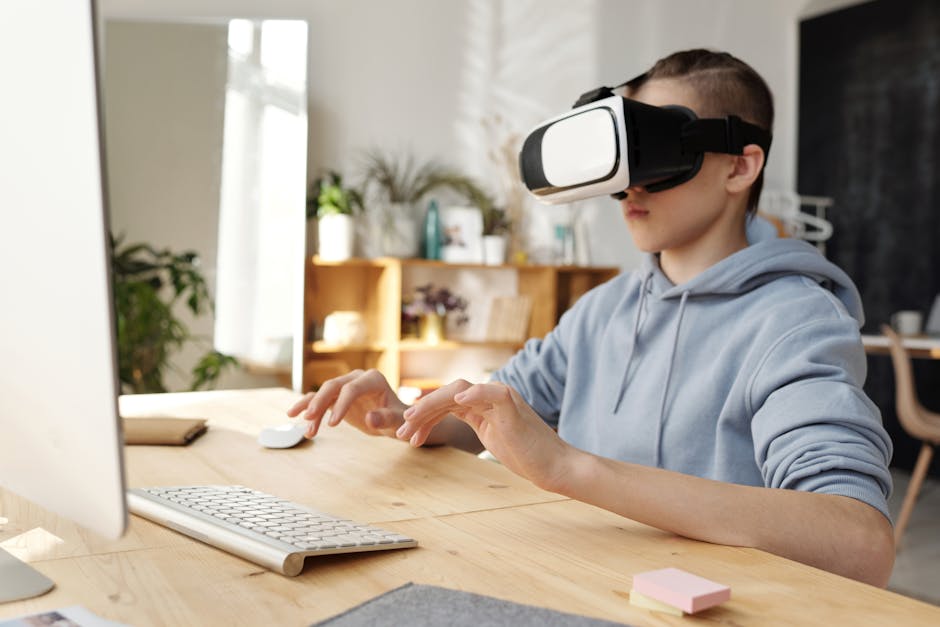
How Virtual Reality is Changing Education and Learning
Introduction
Virtual reality (VR) technology is transforming traditional education methods by offering immersive and engaging learning experiences. As VR becomes more accessible, educators are exploring innovative ways to incorporate it into their curricula to enhance student understanding and retention.
The Benefits of Virtual Reality in Education
One of the main advantages of using virtual reality in education is its ability to create a realistic and interactive environment. Students can explore complex concepts, such as medical procedures or historical sites, without leaving the classroom.
Enhancing Engagement and Motivation
VR significantly increases student engagement by providing hands-on experiences that traditional textbooks cannot offer. This increased engagement leads to better motivation and improved learning outcomes.
Potential Challenges and Future Directions
While the benefits are clear, implementing VR in education also presents challenges, such as high costs and the need for technical training. However, ongoing advancements promise to make VR more affordable and user-friendly, paving the way for widespread adoption.
Conclusion
Virtual reality is undeniably changing the landscape of education and learning. By making subjects come alive and fostering interactive exploration, VR holds the potential to prepare students more effectively for the future.