
Understanding Neuroscience and Brain-Computer Interfaces
Introduction to Neuroscience
Neuroscience is the scientific study of the nervous system, including the brain, spinal cord, and neural circuits. It seeks to understand how the brain functions, processes information, and influences behavior. For those interested in delving deeper, our comprehensive guide to neuroscience provides valuable insights into this complex field.
What are Brain-Computer Interfaces?
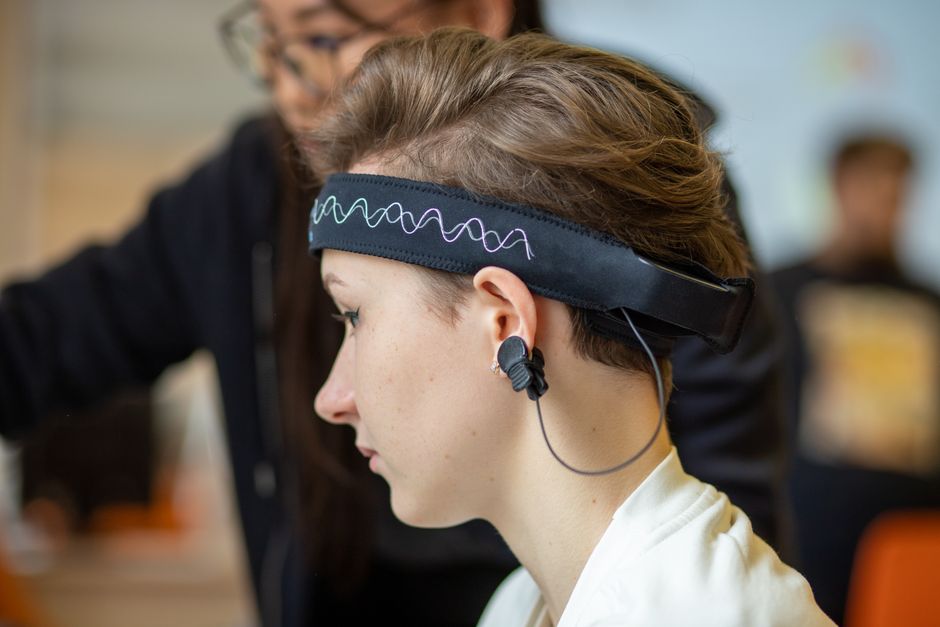
Brain-computer interfaces (BCIs) are technology systems that enable direct communication between the brain and external devices. They typically involve sensors that detect neural activity and algorithms that interpret these signals to control devices such as prosthetic limbs or computer cursors. This technology holds promise for restoring function in individuals with neurological conditions and enhancing human capabilities.
The Role of Neuroscience in Developing BCIs
Advances in neuroscience research are critical for improving brain-computer interface technology. Understanding how neurons encode information helps engineers design better signal detection and decoding algorithms. For example, studies on neural plasticity and brain signal variability contribute to more accurate and reliable BCI systems.
Applications and Future Directions
Current applications of BCIs include controlling prosthetic limbs, restoring communication for paralyzed patients, and even enhancing cognitive functions. As research progresses, future developments may involve seamless integration with neurotechnology, allowing for more intuitive and robust interfaces. The intersection of neuroscience and brain-computer interfaces continues to push the boundaries of what is possible in medicine and human augmentation.