
Quantum Computing Overview and the Power of Superposition
Understanding Quantum Computing
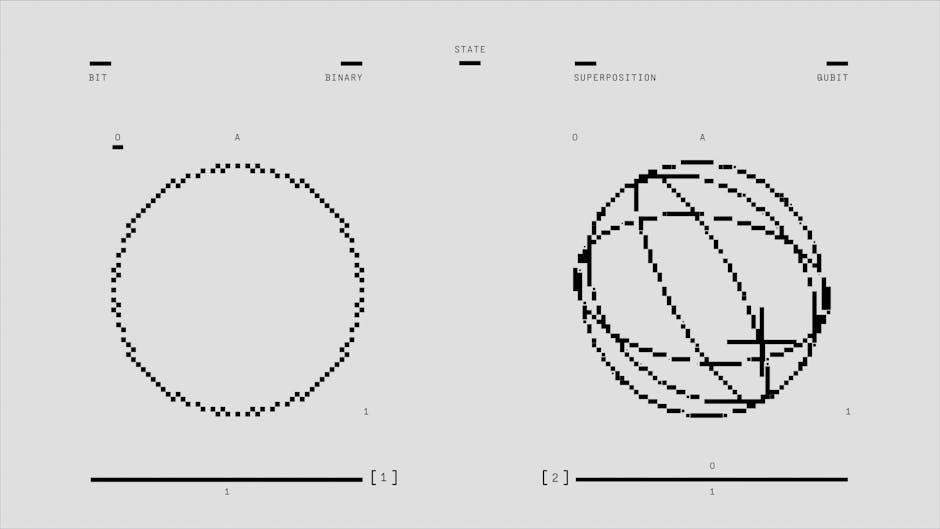
Quantum computing is an emerging field that leverages the principles of quantum mechanics to perform computations beyond the capabilities of classical computers. Unlike traditional bits that are either 0 or 1, quantum bits, or qubits, can exist in multiple states simultaneously due to a phenomenon known as superposition.
The Principle of Superposition
Superposition allows a qubit to be in a combination of both 0 and 1 states at the same time. This unique property enables quantum computers to process and analyze complex datasets more efficiently. For example, superposition is what allows quantum algorithms to perform certain calculations at exponentially faster speeds than classical algorithms.
Implications of Superposition in Quantum Technology
The ability to harness superposition opens up possibilities for advances in cryptography, material science, and artificial intelligence. Researchers are continually exploring how this principle can be used to solve previously intractable problems.
Conclusion
Understanding the concept of superposition is essential to grasp the potential of quantum computing. As this technology evolves, it promises to revolutionize various industries and unlock new insights in science and engineering.