
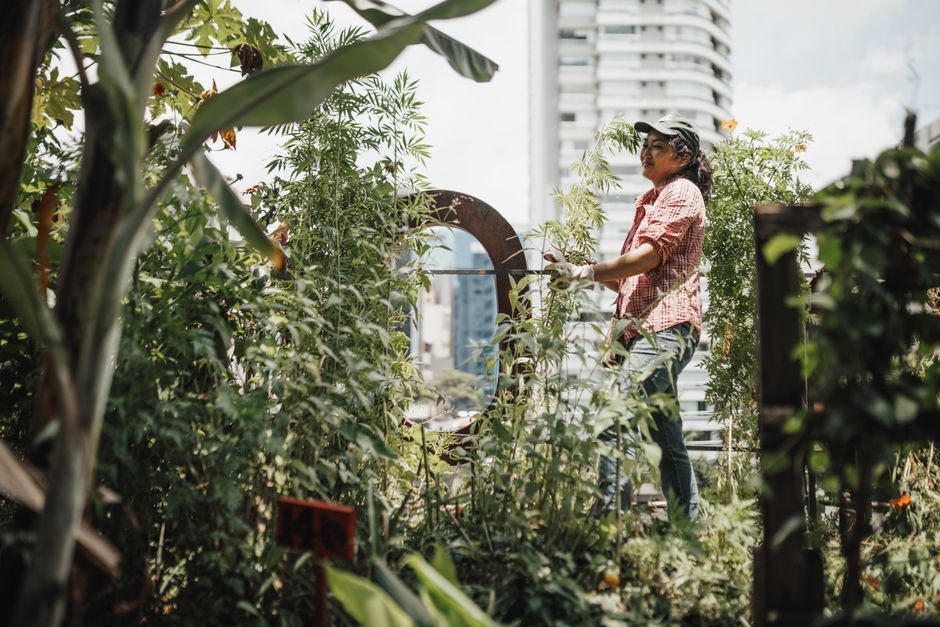
Rooftop Gardening in Urban Spaces: Transforming City Living
Introduction to Rooftop Gardening in Urban Spaces
Urban areas offer limited green space, but rooftop gardening in urban spaces provides a sustainable and beautiful solution. By utilizing available rooftop areas, city residents can cultivate fresh vegetables, herbs, and flowers, contributing to a greener cityscape and healthier lifestyle.
Benefits of Rooftop Gardening
- Environmental Impact: Rooftop gardens help reduce urban heat islands, improve air quality, and support biodiversity.
- Economic Advantages: Growing your own produce can save money and reduce food transportation emissions.
- Social and Aesthetic Appeal: Green rooftops enhance community interaction and beautify urban environments.
Designing Your Urban Rooftop Garden
When planning a rooftop garden design, consider factors like sunlight exposure, wind protection, and weight capacity. Container gardening is an effective method for urban rooftops, allowing flexibility and easy maintenance.
Getting Started with Urban Rooftop Gardening
Begin by assessing your rooftop's structural integrity and sunlight availability. Select hardy plants suited to urban conditions and consider sustainable practices such as rainwater harvesting and composting.
Resources and Community Support
Many cities offer resources, workshops, and community gardening programs tailored for urban rooftop gardening. Connecting with local initiatives can provide valuable support and inspiration.
Conclusion
Transforming unused rooftop space into a lush garden not only enhances your living environment but also contributes to a more sustainable city. Start planning your urban rooftop garden today and enjoy the numerous benefits it offers!