
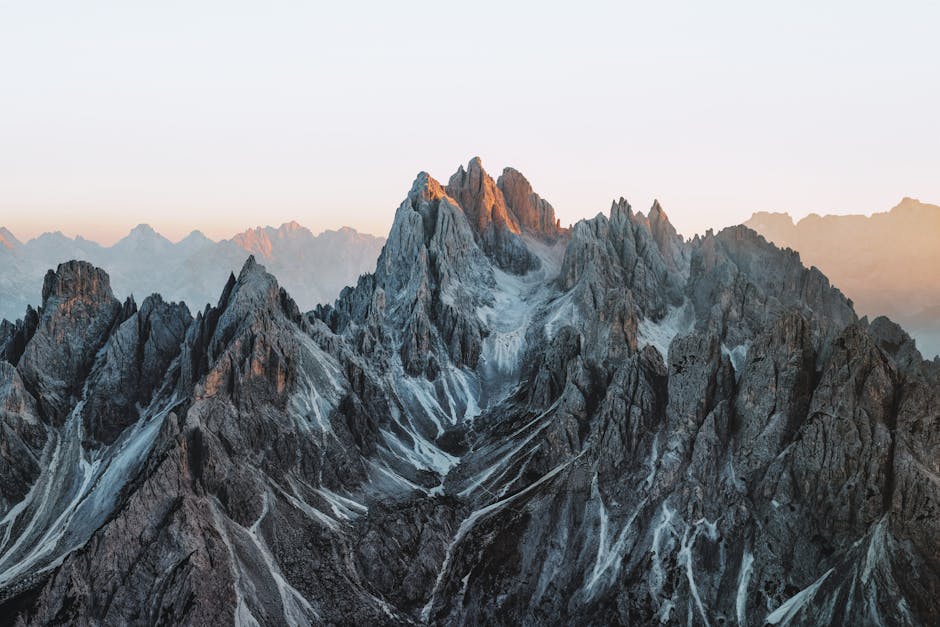
Skyline and Mountain Landscape Shooting Tips for Stunning Photos
Introduction to Skyline and Mountain Landscape Photography
Landscape photography offers the chance to capture the beauty of nature's masterpieces, from majestic skyline views to awe-inspiring mountain vistas. Mastering the art of shooting these scenes can turn ordinary snapshots into stunning works of art.
Essential Tips for Shooting Skyline and Mountain Landscapes
1. Plan Your Timing
The best time for landscape shots is during golden hour—shortly after sunrise or before sunset—when the light creates warm tones and dynamic shadows. Consider checking local weather conditions and weather forecasts to ensure clear skies and optimal lighting.
2. Use a Tripod for Stability
Stability is key to capturing sharp images, especially during low-light conditions. A sturdy tripod helps prevent blur and allows for longer exposure shots to enhance details in shadows.
3. Composition Techniques
Apply the rule of thirds, leading lines, and foreground interest to create compelling compositions. Including elements like rocks, trees, or water bodies can add depth and perspective to your landscape shots.
4. Use Appropriate Camera Settings
Adjust your camera to aperture priority mode with a small aperture (f/8–f/16) for sharpness across the scene. Consider a low ISO for clarity and a longer shutter speed for capturing movement such as clouds or water.
Additional Shooting Tips
- Scout your location beforehand to find the best vantage points.
- Bring extra batteries and memory cards to avoid interruptions.
- Experiment with different angles and focal lengths for variety.
Conclusion
Capturing stunning skyline and mountain landscapes requires preparation, patience, and creative composition. With these shooting tips, you'll be well on your way to creating breathtaking images that showcase the beauty of nature.