
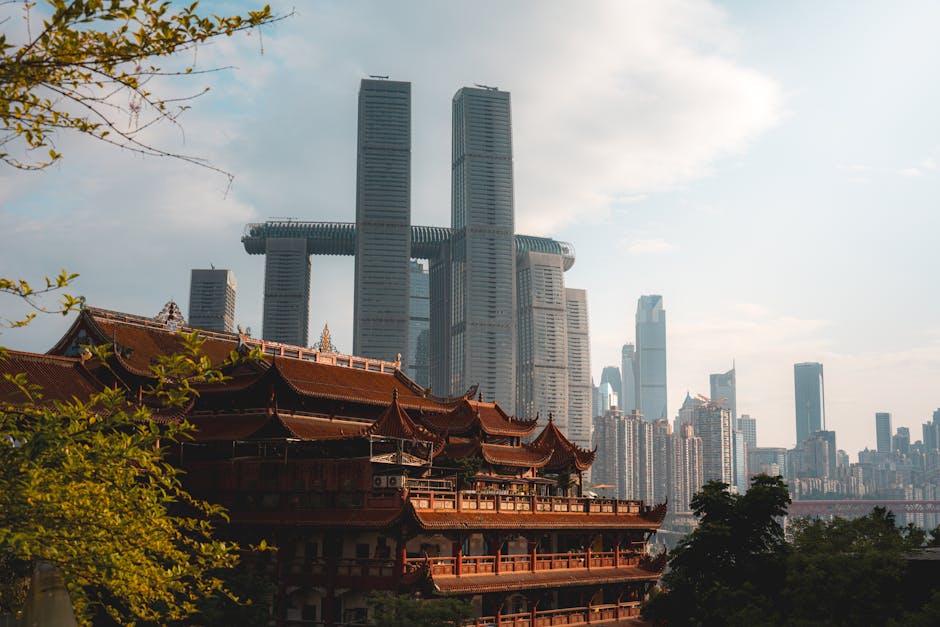
Urban Growth and Historic Preservation: Balancing Development and Heritage
Urban areas around the world are continuously growing, driven by increasing populations and economic opportunities. This rapid urban growth presents both challenges and opportunities for cities seeking to modernize and expand their infrastructures.
One crucial aspect of sustainable urban development is historic preservation. As cities expand, it’s vital to protect landmarks, historic districts, and cultural heritage sites that give neighborhoods character and a sense of identity. Preservation efforts can often coexist with development, creating vibrant neighborhoods that honor the past while embracing the future.
Strategic planning and community engagement are fundamental in achieving a balance between urban growth and historic preservation. Implementing policies such as adaptive reuse, where old buildings are repurposed for modern uses, can contribute to sustainable growth while maintaining historical integrity.
Urban planners and city officials are increasingly adopting innovative approaches to integrate new infrastructure with historic contexts. For instance, designing new developments that complement the existing architectural landscape enhances the aesthetic and cultural continuity of urban areas. These efforts can also boost tourism and local pride by showcasing a city's unique history alongside its modernization.
In conclusion, the future of urban areas depends on thoughtful strategies that promote urban growth without sacrificing historic preservation. By fostering collaboration among stakeholders, cities can evolve sustainably while preserving their rich heritage for generations to come.