
Urban Farming Success Stories: A Guide to Starting Your Urban Farm
Introduction to Urban Farming
Urban farming is transforming city landscapes by turning vacant lots and small spaces into productive farms. It offers numerous benefits, including access to fresh produce, community building, and environmental sustainability.
Inspiring Success Stories
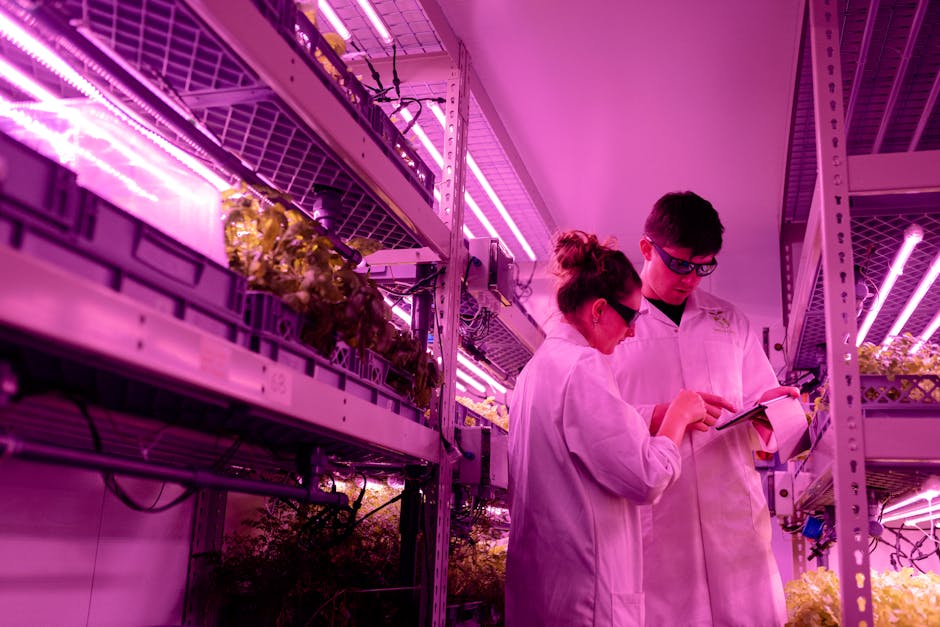
Many urban farmers have turned their passion into thriving businesses. For example, a community organization in Brooklyn converted abandoned land into a bustling urban farm that supplies local markets. Another notable story is a group of young entrepreneurs who started a vertical farm in downtown Chicago, achieving remarkable growth and community impact.
How to Start Your Own Urban Farm
- Assess Your Space: Identify available land or rooftops suitable for farming. Even small balconies can host container gardens.
- Select Crops: Choose plants that thrive in your climate and are suited for urban environments, such as herbs, tomatoes, or leafy greens.
- Gather Supplies: Obtain soil, containers, seeds, and watering tools. Consider using sustainable materials to minimize environmental impact.
- Learn Techniques: Implement sustainable practices like composting and permaculture to maximize yield and health.
- Connect with Community: Join urban farming groups online or locally to exchange advice and resources.
For detailed guidance, check out our comprehensive guide to starting urban farming.
Benefits of Urban Farming
Starting your own urban farm not only provides fresh produce but also contributes to reducing your carbon footprint, promoting biodiversity, and fostering community engagement.