
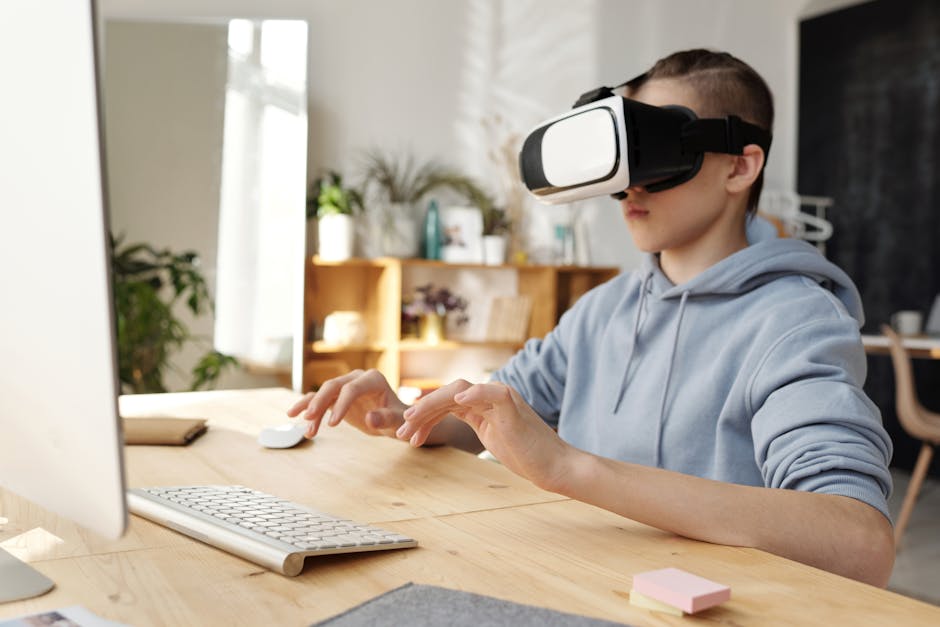
Virtual Reality in Education: Transforming Learning Experiences
In recent years, virtual reality (VR) in education has garnered significant attention as a powerful tool to enhance traditional teaching methods. By creating immersive environments, VR allows students to interact with complex concepts in a hands-on manner, making learning more engaging and effective.
Enhancing Engagement and Motivation
One of the key advantages of integrating virtual reality in education is its ability to boost student motivation. When learners are immersed in virtual worlds, they tend to be more attentive and interested in the subject matter, which leads to improved retention and understanding.
Practical Applications in Various Subjects
Virtual reality is versatile and applicable across diverse disciplines. For example, students can explore historical sites virtually, conduct complex science experiments safely, or practice technical skills in simulated environments. To explore more about these applications, visit VR in Different Subjects.
Challenges and Future Prospects
Despite its benefits, implementing virtual reality in education still faces challenges such as high costs, technical barriers, and a need for teacher training. However, advancements in technology and decreasing costs suggest a promising future where VR becomes a standard component of educational environments.
Conclusion
As virtual reality technology continues to evolve, its potential to transform the educational landscape is immense. Embracing VR can lead to more interactive, effective, and enjoyable learning experiences for students worldwide.