
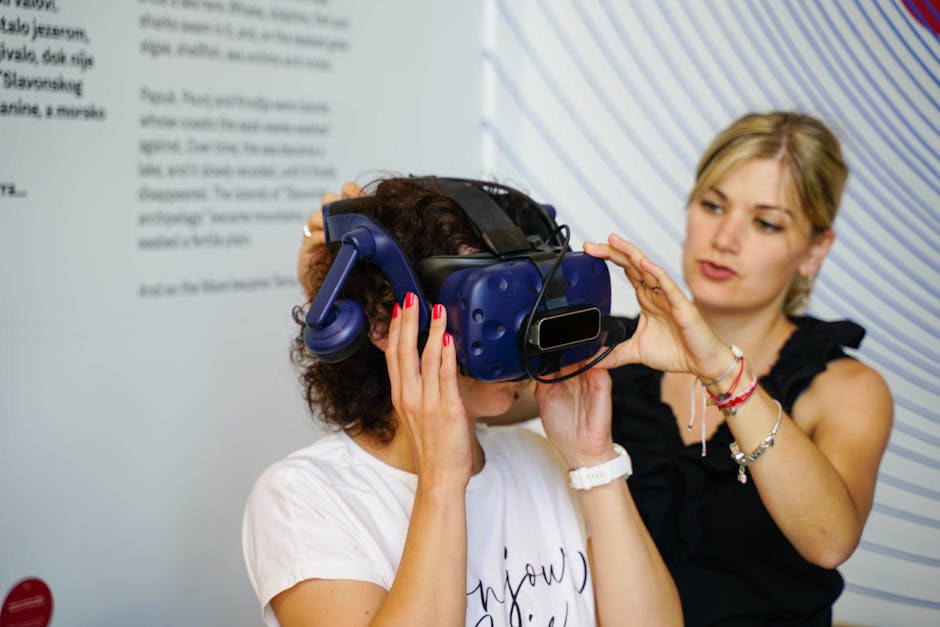
Exploring the Benefits of Virtual Reality in Schools
The Future of Education: Virtual Reality in Schools
In recent years, virtual reality in education has emerged as a revolutionary tool that is reshaping the way students learn. By immersing learners in simulated environments, virtual reality offers hands-on experiences that traditional teaching methods often cannot provide.
Benefits of Virtual Reality in Schools
- Enhanced Engagement: Virtual reality captures students’ attention and fosters active participation, making learning more enjoyable and memorable.
- Realistic Simulations: Students can explore complex concepts through virtual virtual simulations, such as exploring the human body, ancient civilizations, or distant planets.
- Safe Learning Environment: VR provides a safe space for students to experiment and practice skills, particularly in fields like medicine, engineering, or sciences.
- Personalized Learning: Virtual reality allows for tailored educational experiences that cater to individual learning styles and paces.
- Improved Retention: Immersive experiences tend to improve memory retention and understanding of complex subjects.
Implementation Challenges and Considerations
While the advantages are significant, integrating virtual reality in schools requires addressing challenges such as cost, infrastructure, and teacher training. Schools need to ensure equitable access and develop curricula that effectively utilize VR technology.
As technology advances, the potential for virtual reality to enhance education continues to grow. Embracing this innovative approach can prepare students for a modern, digital world.