
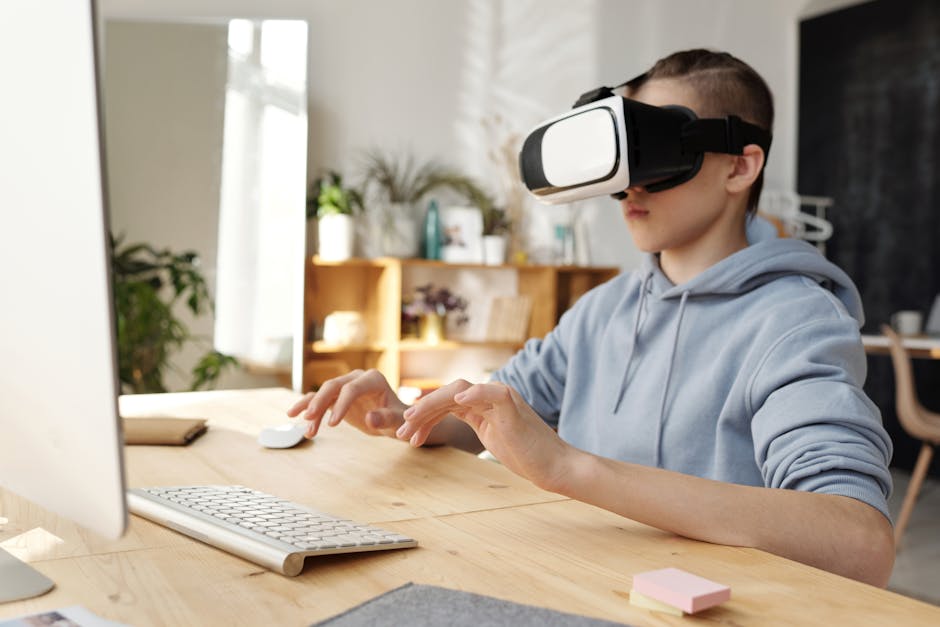
Getting Started with Virtual Reality in Education
Introduction to Virtual Reality in Education
Virtual reality (VR) is rapidly becoming a powerful tool for enhancing learning experiences. By immersing students in virtual environments, educators can provide interactive and engaging lessons that foster deeper understanding.
Benefits of Virtual Reality in Education
- Enhanced Engagement: Virtual environments captivate students’ attention, making learning more enjoyable.
- Experiential Learning: Students can explore historical sites, conduct virtual experiments, or travel to distant places without leaving the classroom.
- Accessibility: VR can provide inclusive learning experiences for students with different learning styles and needs.
Getting Started with VR in Education
Implementing virtual reality in education might seem daunting, but starting with small steps can make the transition smoother. Here are some key tips:
- Assess your educational goals and resources: Determine what you want students to achieve with VR and what equipment is available.
- Choose suitable VR headsets and software: Select user-friendly devices that fit your budget and curriculum requirements.
- Provide training for educators: Ensure teachers are comfortable using VR tools to maximize their effectiveness.
- Develop or source engaging VR content: Use existing educational VR applications or create custom experiences tailored to your lessons.
- Evaluate the impact on student learning: Regularly assess how VR integration improves understanding and engagement.
Conclusion
Getting started with virtual reality in education is a step toward innovative teaching methods. By carefully planning and choosing the right tools, educators can unlock immersive learning experiences that resonate with students and prepare them for a technology-driven future.