
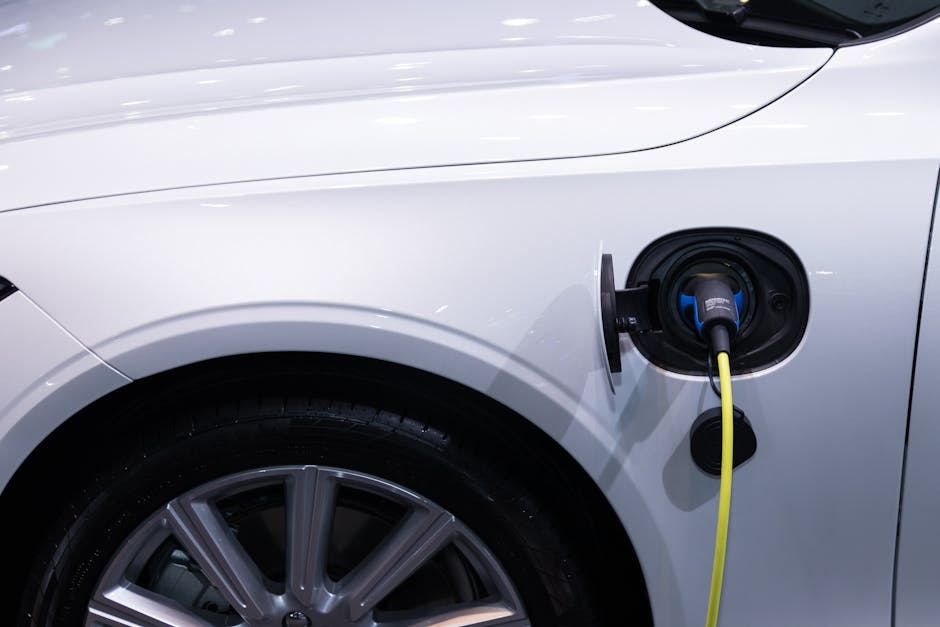
Comprehensive Guide to Electric Vehicle Charging Networks
As the adoption of electric vehicles continues to grow, understanding Electric Vehicle Charging Networks becomes essential for both consumers and service providers. These networks are vital for enabling convenient, efficient, and widespread EV charging across cities and highways.
Electric Vehicle Charging Networks consist of interconnected charging stations that allow EV owners to recharge their vehicles easily. There are different types of charging stations, including fast chargers and standard chargers, which cater to various needs and driving patterns.
Benefits of Electric Vehicle Charging Networks
- Accessibility: Wide-reaching networks ensure that EV owners can find a charging station almost anywhere.
- Convenience: Network apps provide real-time information on station availability, reducing wait times.
- Support for Long-Distance Travel: Reliable charging networks facilitate long road trips without range anxiety.
- Encourages EV Adoption: Robust networks make switching to electric vehicles more attractive for consumers.
Choosing the Right Charging Network
When selecting an electric vehicle charging network, consider factors such as station locations, charging speed, and compatibility with your EV. Many networks offer memberships or pay-as-you-go options, providing flexibility based on your usage pattern.
In conclusion, Electric Vehicle Charging Networks are key to building a sustainable transportation future. Continued investment and expansion of these networks will ensure that electric mobility remains accessible, convenient, and efficient for everyone.