
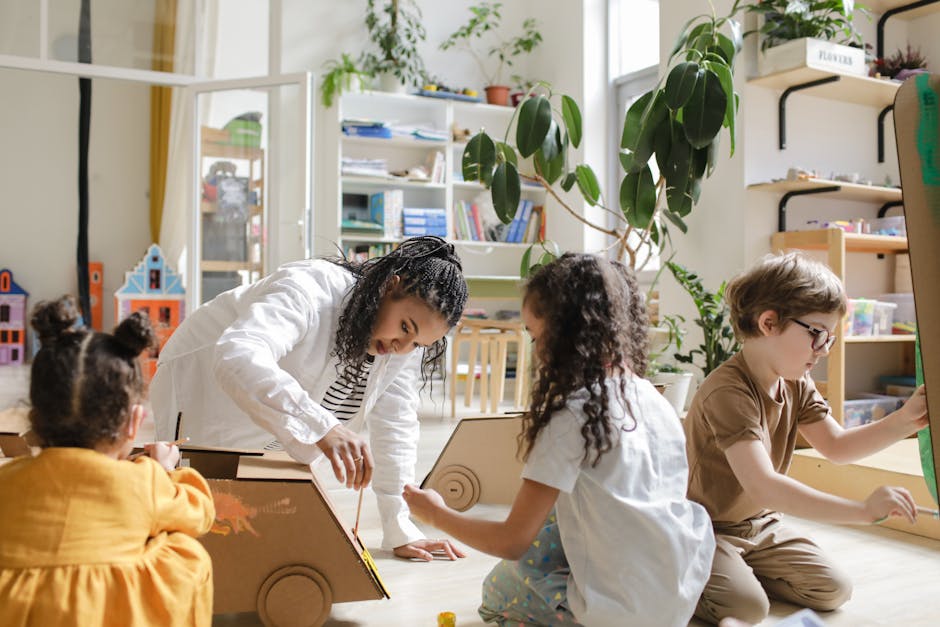
Understanding Play-Based Learning for Child Development
Play-based learning is a dynamic approach to education that emphasizes learning through play. It is rooted in the belief that children learn best when they are engaged in activities that are fun, meaningful, and relevant to their interests.
Through play-based learning, children develop essential skills such as problem-solving, collaboration, and communication. This approach encourages them to explore their surroundings, experiment with new ideas, and build confidence in their abilities.
Educators and parents can facilitate effective strategies to support this kind of learning. For example, providing open-ended toys, outdoor exploration opportunities, and encouraging imaginative play can significantly enhance a child's development.
Research shows that children engaged in play-based learning tend to perform better academically, have improved social interactions, and show greater emotional resilience. These benefits highlight why incorporating play into daily routines is vital for holistic development.
Whether in preschool classrooms or at home, embracing play-based learning can create a nurturing environment where children thrive. It transforms the way we view education—from a task-focused activity to an engaging, joyful journey of discovery.