
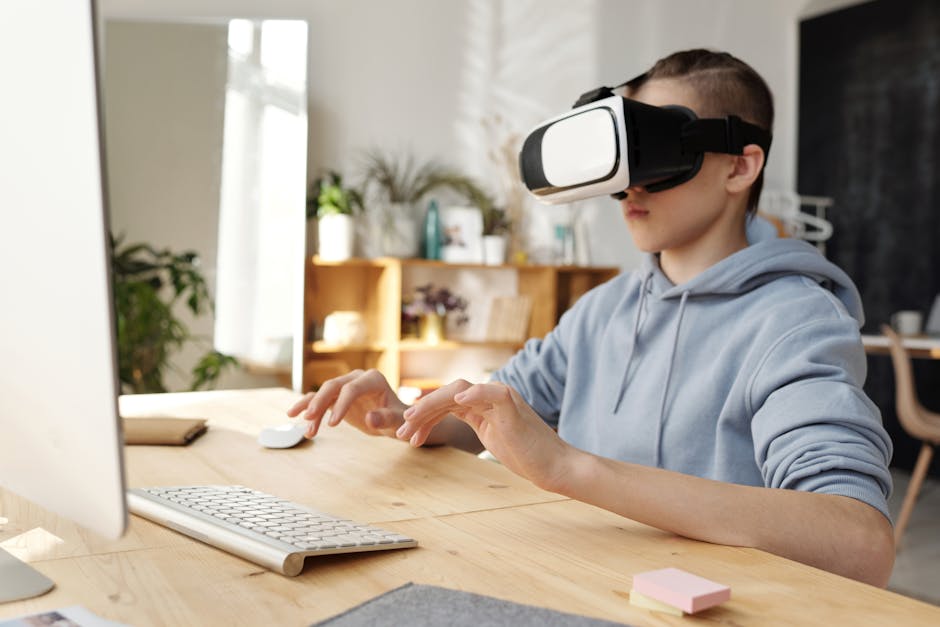
Transforming Learning with Virtual Reality Education
In recent years, virtual reality education has emerged as a groundbreaking approach to teaching and learning. By utilizing virtual reality technology, educators can create immersive environments that make complex concepts more accessible and engaging for students.
Students can explore the benefits of virtual reality in education, including enhanced retention of information, increased motivation, and the ability to simulate real-world scenarios safely. For example, history classes can transport students to ancient civilizations, while science students can explore the human body in 3D.
Implementing virtual reality in schools is becoming more feasible as the technology becomes more affordable and accessible. Schools worldwide are investing in VR headsets and content to create innovative learning environments. The availability of educational VR content spans various subjects and age groups, making it a versatile tool.
As virtual reality continues to evolve, its integration into education promises to make learning more interactive, personalized, and effective. Embracing this technology can prepare students for a future where immersive digital experiences are commonplace.