
Transforming Education with Virtual Reality Classrooms
Introduction to Virtual Reality Classrooms
In recent years, the concept of virtual reality classrooms has gained significant attention in the educational sector. This innovative approach leverages immersive technology to transform traditional teaching methods and create engaging learning environments.
Benefits of Virtual Reality in Education
Incorporating virtual reality in classrooms offers numerous advantages. Students can explore complex scientific concepts, historical sites, or distant geographical locations without leaving their classrooms. This enhances understanding and retention of information.
How Virtual Reality Classrooms Work
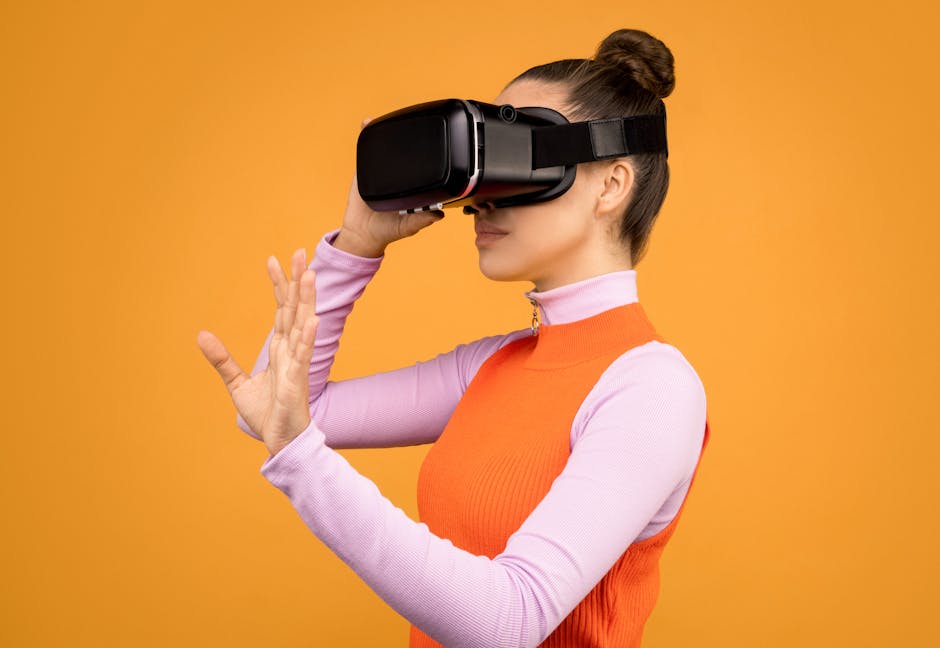
Most virtual reality classrooms employ VR headsets and interactive software to provide students with a 3D immersive experience. Teachers can design virtual field trips or simulations tailored to their curriculum.
Challenges and Future Outlook
While the potential of virtual reality classrooms is immense, there are challenges such as high costs and the need for proper training. However, as technology advances and becomes more affordable, virtual reality is poised to become a staple in future educational models.
Conclusion
Adopting virtual reality classrooms signifies a step towards more interactive, engaging, and effective education. By embracing this technology, educators can better prepare students for the digital and immersive world of tomorrow.