
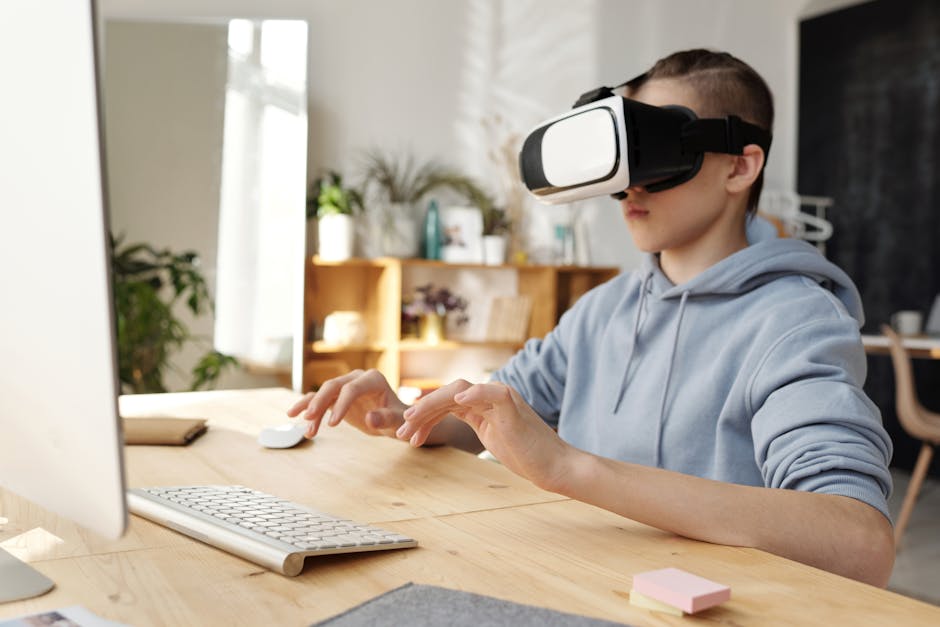
Transforming Education with Virtual Reality
In recent years, virtual reality in education has garnered significant attention for its potential to revolutionize traditional learning methods. By creating immersive environments, VR enables students to explore complex topics in a more engaging and interactive way.
Educational institutions are increasingly integrating immersive learning experiences to enhance understanding of subjects like history, science, and medicine. For example, students can take virtual field trips to historical sites or perform simulated experiments in a risk-free environment.
The benefits of using VR for student engagement and interactivity are profound, leading to improved retention and critical thinking skills. Additionally, VR provides accessible learning opportunities for students with disabilities, fostering a more inclusive classroom environment.
As technology continues to evolve, the role of future trends in VR education are expected to include more personalized and adaptive learning experiences, making education more dynamic and tailored to individual needs.
For educators interested in adopting VR, exploring the various platforms and tools available can be a great first step. Embracing getting started with VR in education can significantly enhance teaching methods and student outcomes.